Tourism and Environmental Authorities Join Forces to Combat Zero-Dollar Tours and Illegal Wildlife Trade
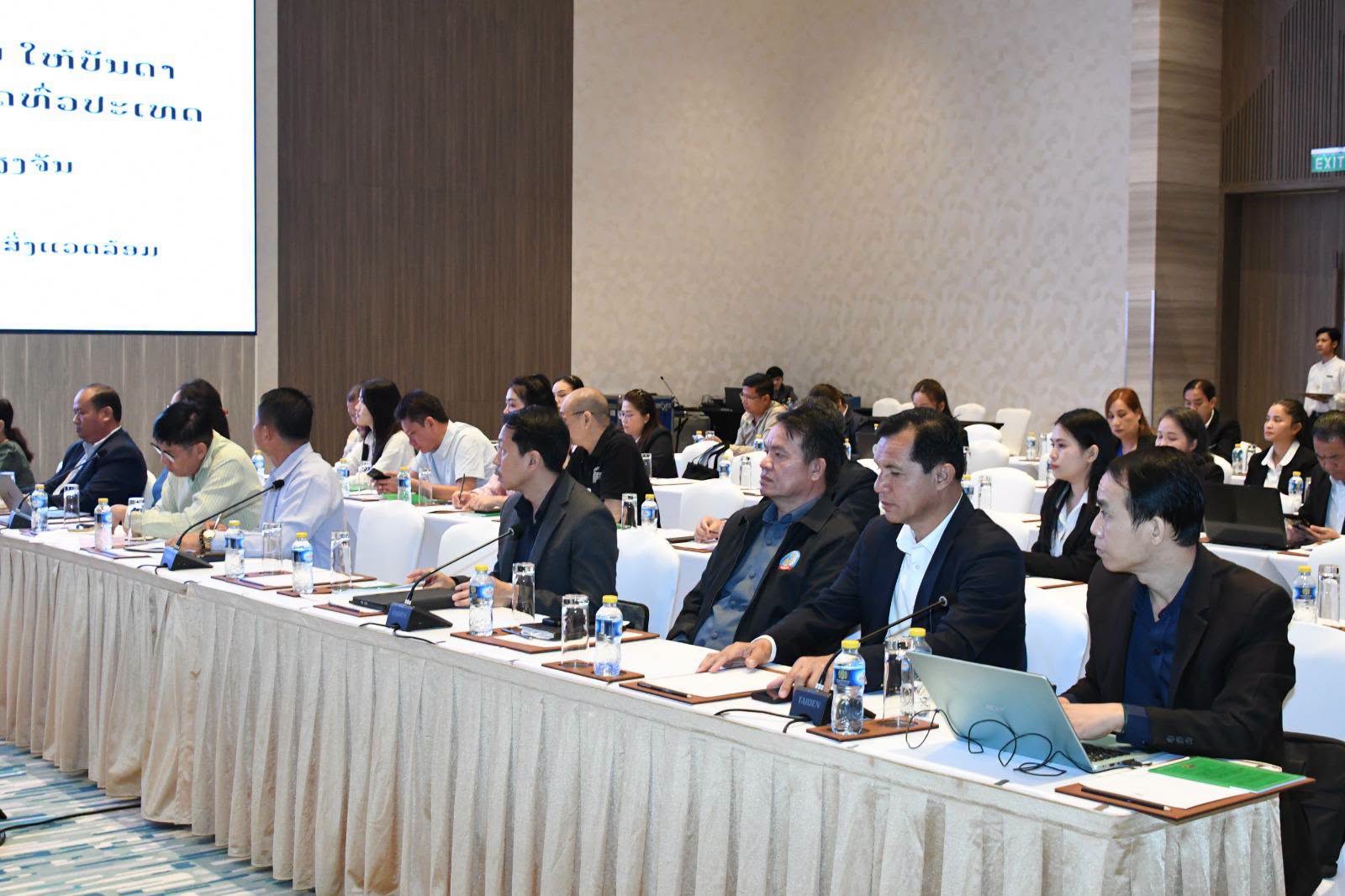
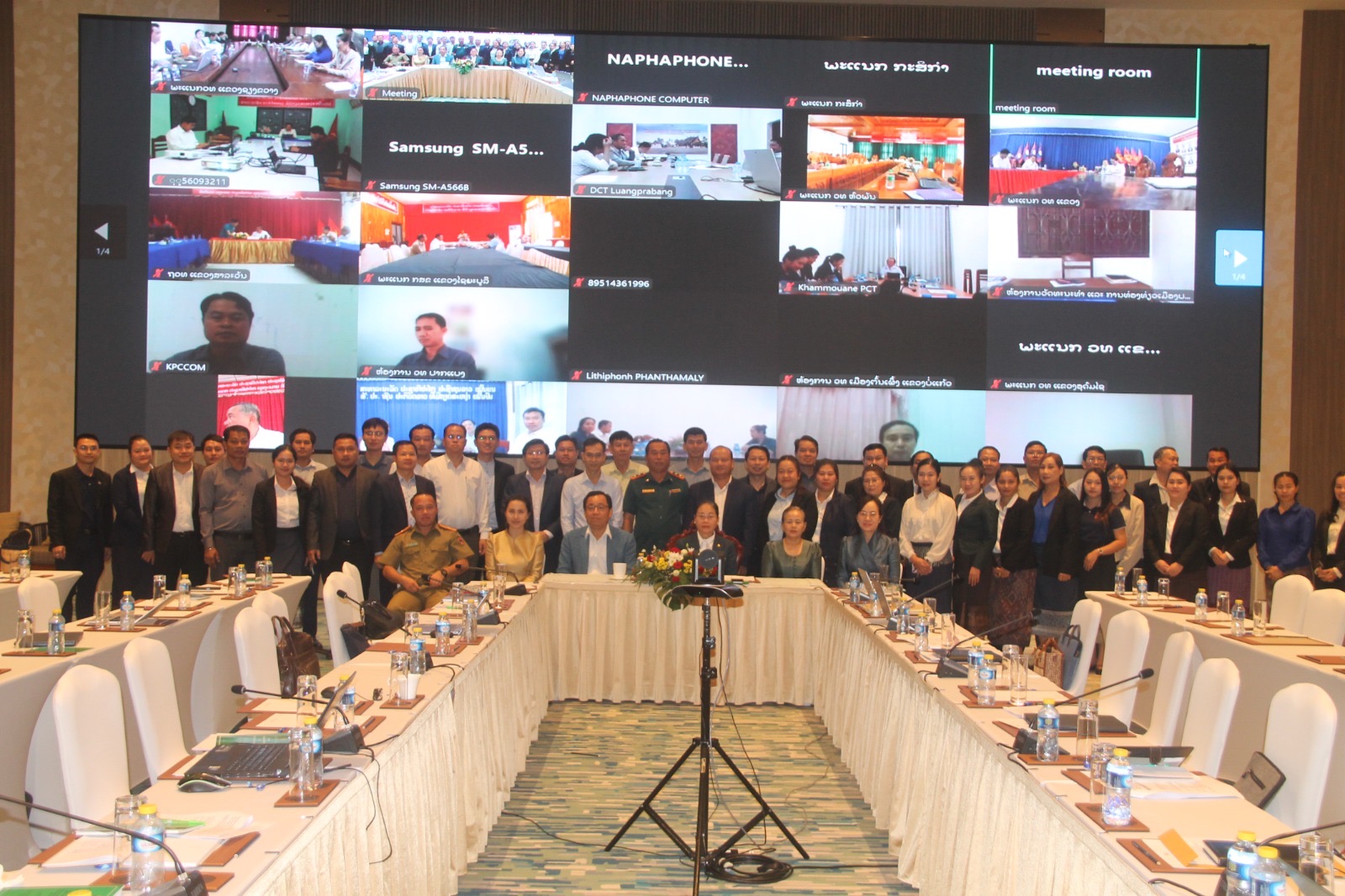
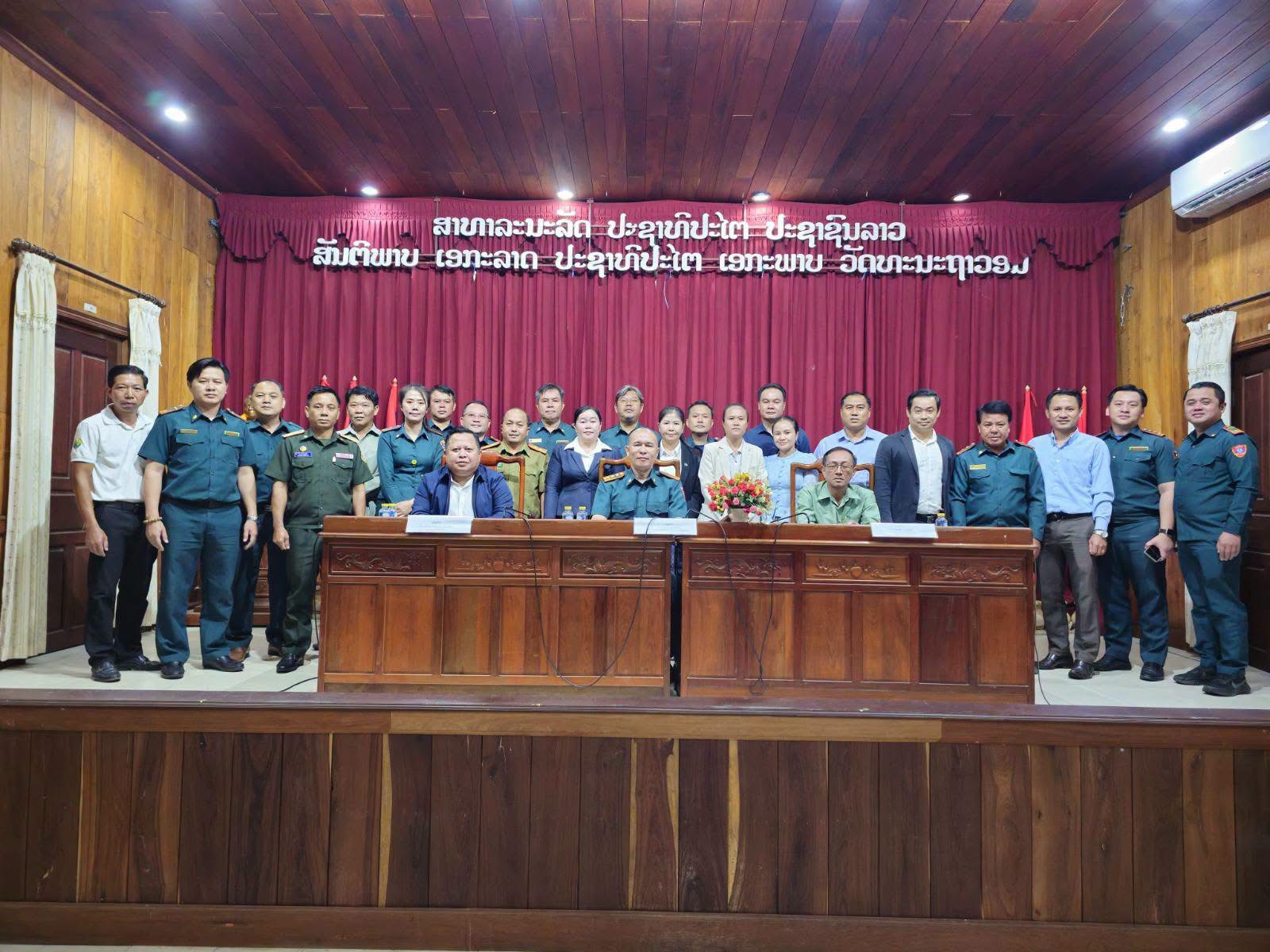
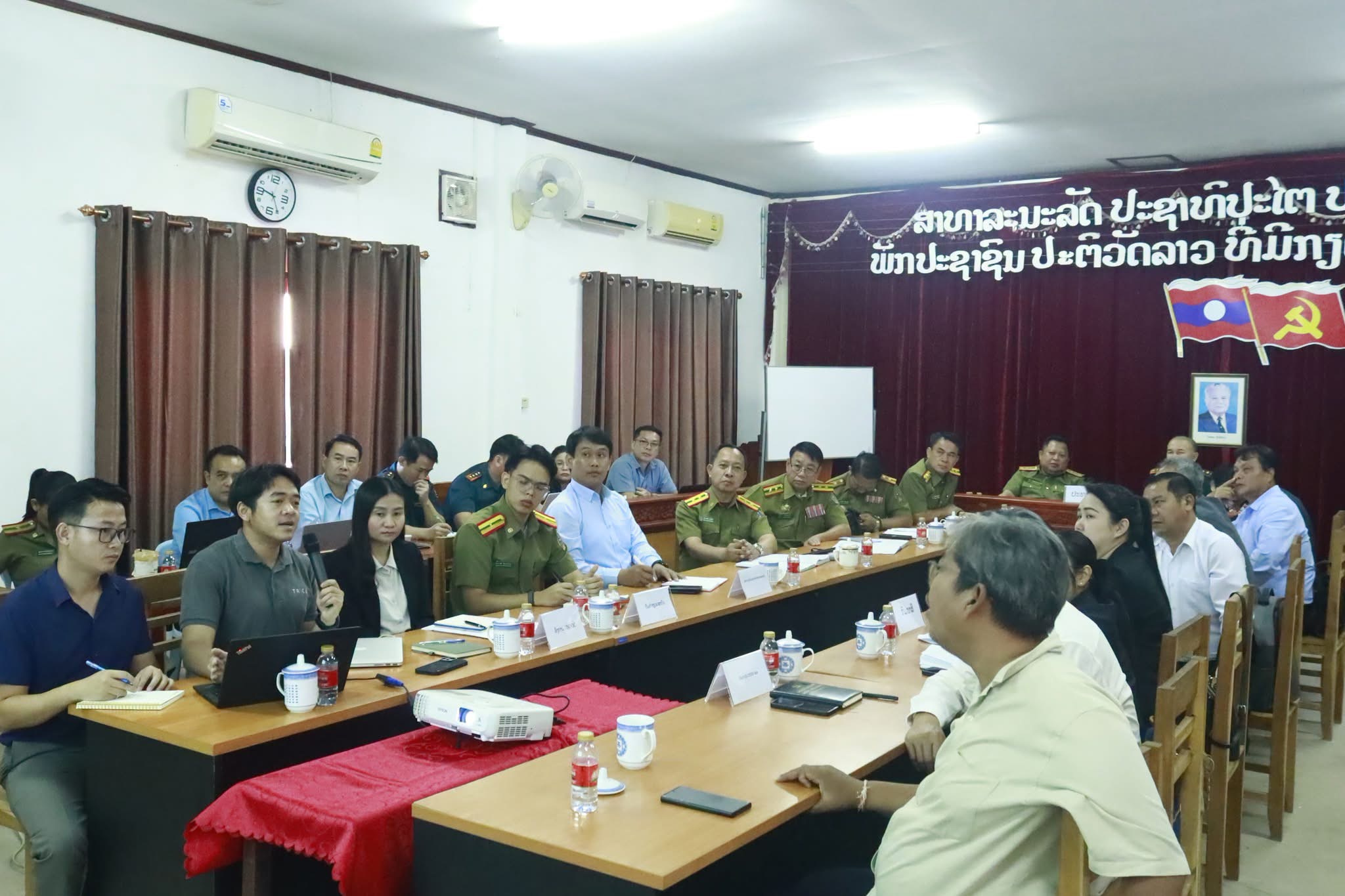
Vientiane Capital, 18 September 2026 — The Ministry of Culture and Tourism, in cooperation with the Ministry of Agriculture and Environment, convened a national meeting to disseminate laws and regulations governing tourism activities associated with the management and protection of prohibited wildlife.
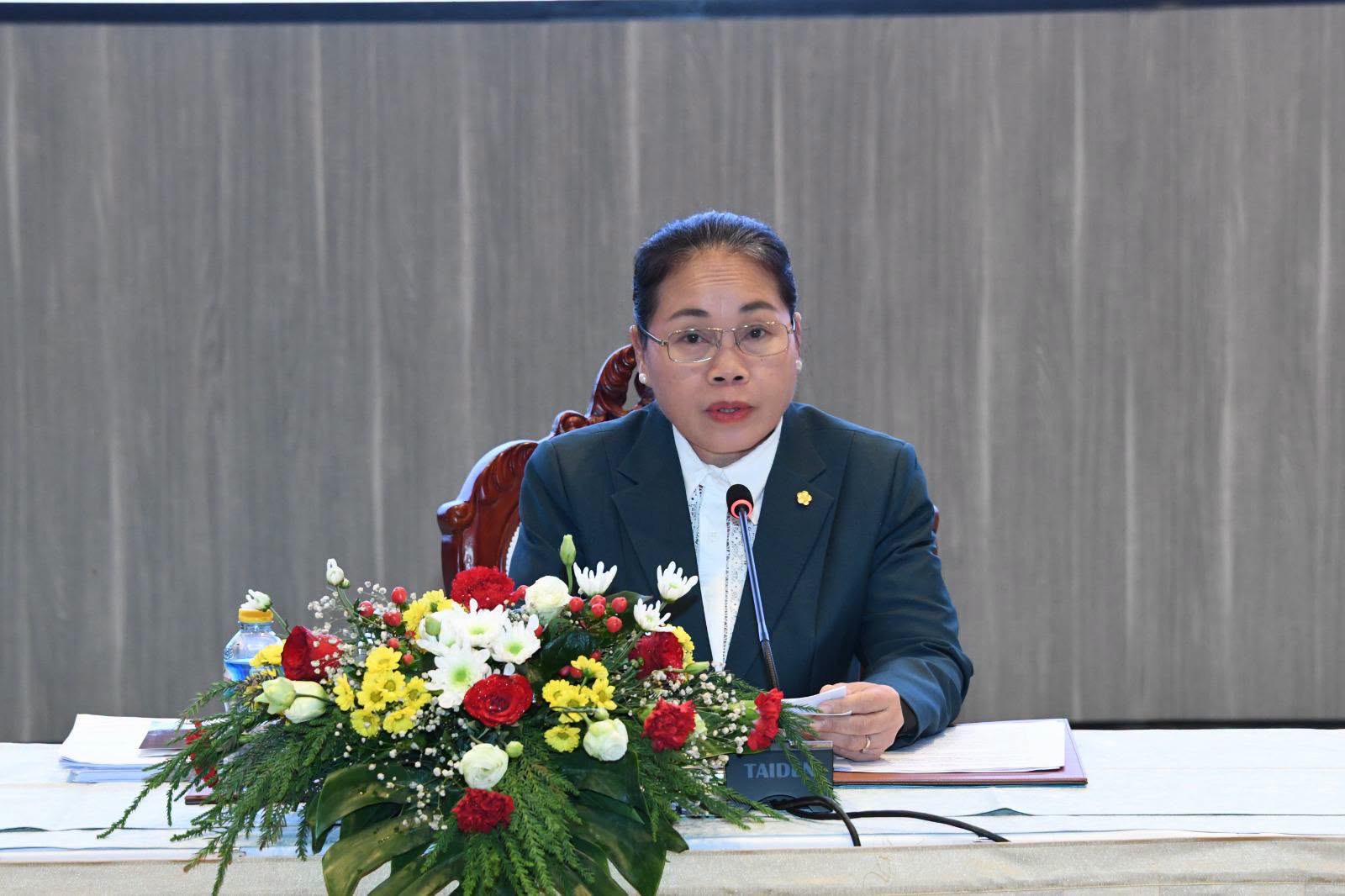
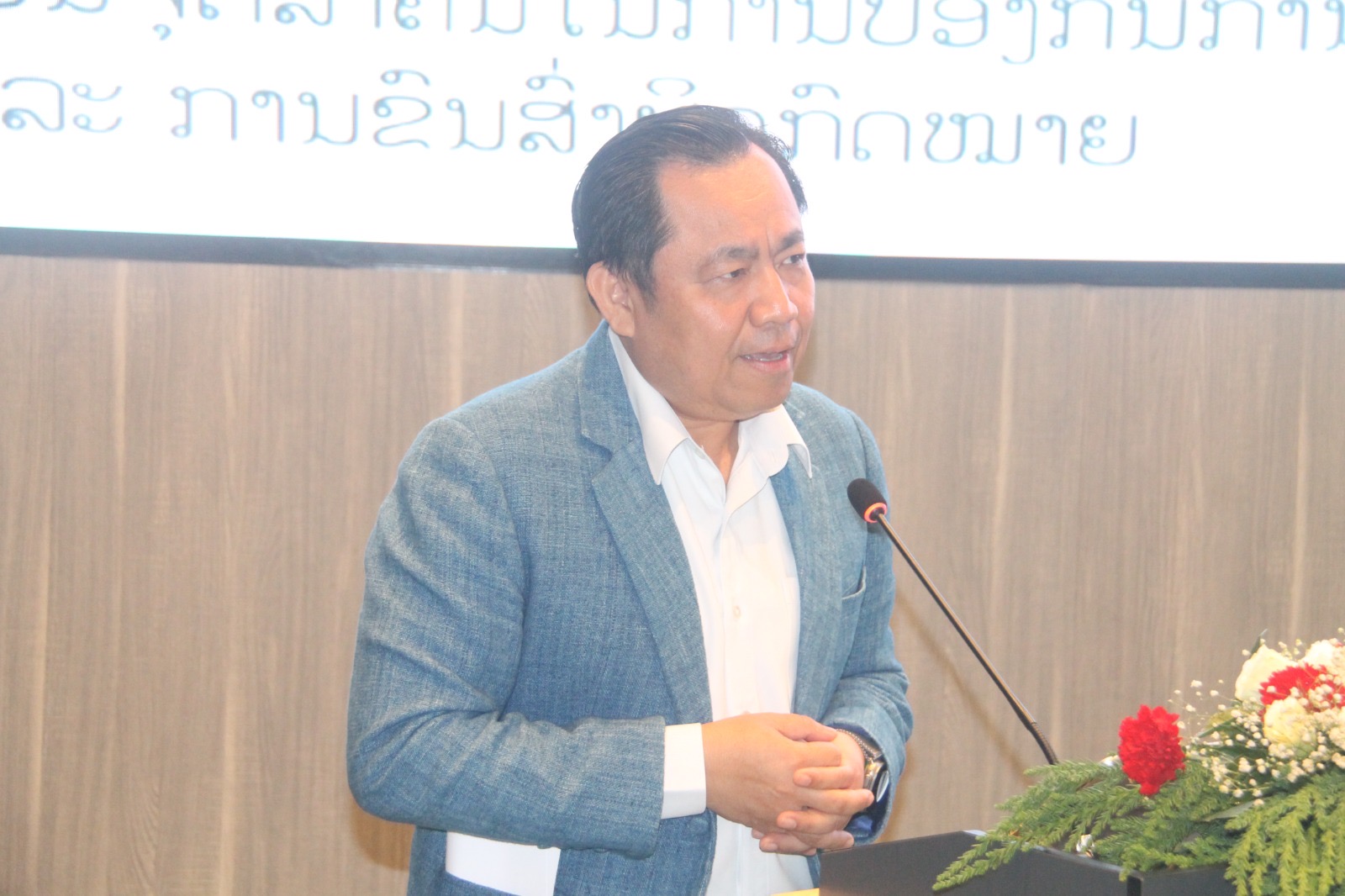
The meeting, held in person and online at the Crowne Plaza Vientiane, was chaired by H.E. Mrs. Dalany Phommavongsa, Vice Minister of Culture and Tourism. Representatives of relevant central authorities, provincial Departments of Culture and Tourism, and provincial Departments of Agriculture and Environment from across the country participated.
In her opening remarks, H.E. Mrs. Dalany Phommavongsa emphasized that the rich natural landscapes, forests, wildlife and biological diversity of Lao PDR constitute important national assets and provide a strong foundation for developing high-quality tourism products and services.
She stressed that any tourism activity involving wildlife must be clearly regulated, properly managed and conducted in strict compliance with national laws. Prohibited wildlife must not be exploited for commercial gain or linked to the illegal purchase, sale, possession, consumption or use of wildlife and wildlife products.
The Vice Minister further stated that tourism development must prioritize quality, sustainability, environmental responsibility and tangible benefits for local communities. She warned that certain tourism models based on artificially low prices and non-transparent commercial arrangements could contribute to “zero-dollar tours” and related unlawful activities.
The zero-dollar tour issue, she noted, should not be viewed solely as a tourism concern. It has broader implications for the economy, trade, tax revenue, natural-resource protection, regulation of tour operators and the international reputation of Lao PDR. Addressing the issue therefore requires coordinated inspections, timely information-sharing and close cooperation among all relevant authorities.
During the meeting, Mrs. Siphonphay Sitthixay, Acting Director General of the Tourism Management Department, presented the principal tourism laws and regulations, the current situation surrounding zero-dollar tours and proposed measures to address the problem.
She highlighted the important contribution of tourism to national socioeconomic development through revenue generation, employment creation and promotion of the country’s image as a green and sustainable destination. However, the rapid expansion of tourism has also created opportunities for some businesses to undertake activities that do not comply with the law.
Certain zero-dollar tour operations may not only undermine the financial system, tax revenue and the reputation of the tourism sector, but may also facilitate the illegal sale and consumption of wildlife and wildlife products through hotels, restaurants, souvenir shops and other tourism-related establishments.
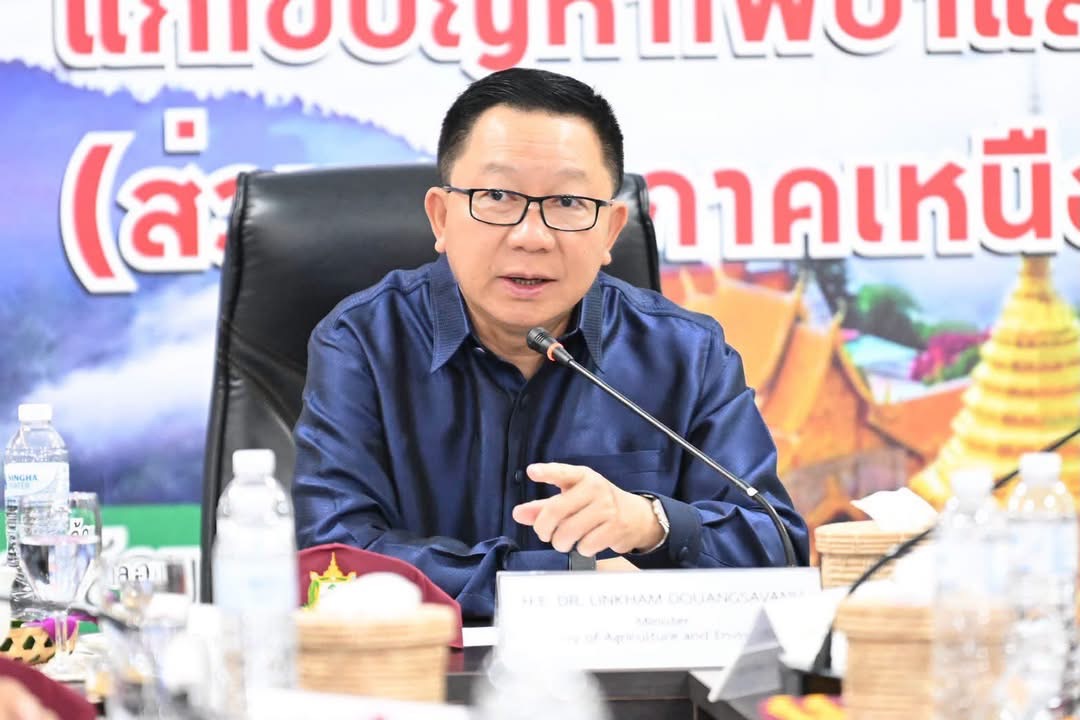
Assoc. Prof. Dr. Somvang Phimmavong, Director General of the Department of Forestry under the Ministry of Agriculture and Environment, presented the national legal framework for wildlife management. This included the Law on Wild Animals, Decree No. 299/GOV, Prime Minister’s Order No. 25/PM and other relevant legislation.
His presentation covered measures to prevent, combat and suppress transnational wildlife crime; implementation of the Convention on International Trade in Endangered Species of Wild Fauna and Flora (CITES); national wildlife categories; prohibited activities and applicable penalties; wildlife-trade risks within the tourism sector; and the responsibilities of tourism operators.
He stressed that tourism businesses have a duty to ensure that their premises, services and commercial networks are not used to facilitate the illegal possession, sale, transport or consumption of wildlife and wildlife products.
Mr. Khamvanh Keomanyvong, Deputy Director General of the Department of Natural Resources and Environment Inspection, reported on the wildlife-crime situation in Lao PDR, including its links to the tourism sector and the role of inspection and law-enforcement authorities in investigating and prosecuting offences.
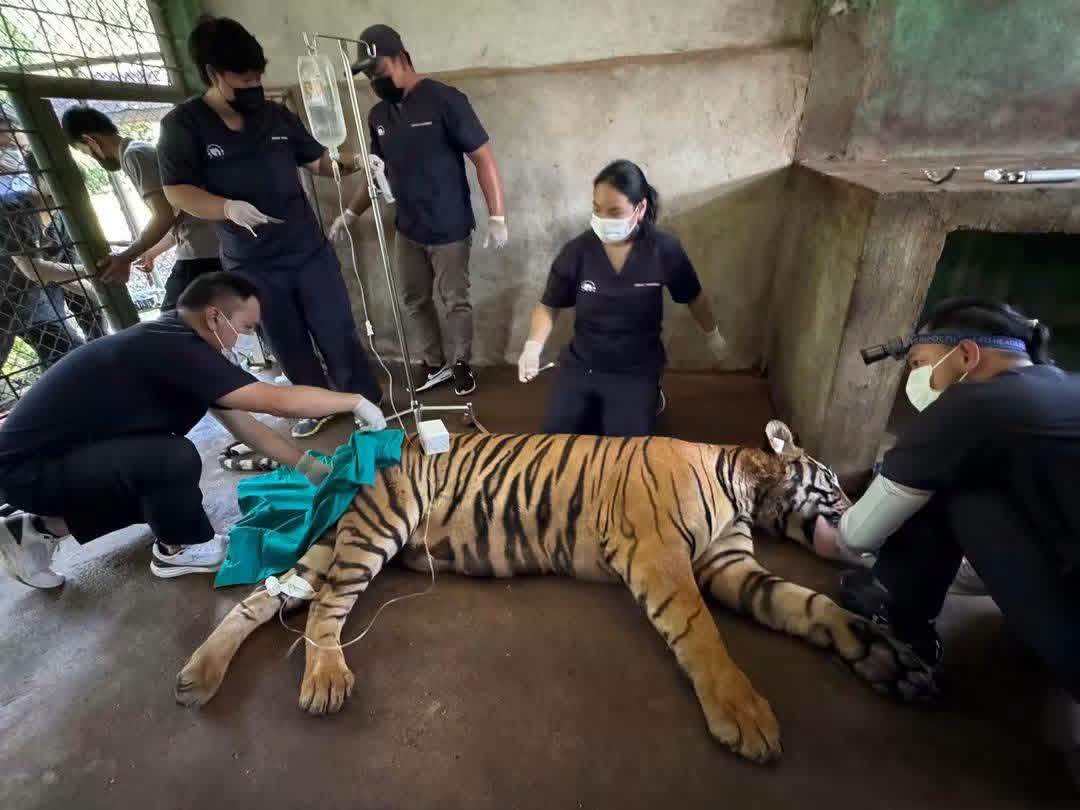
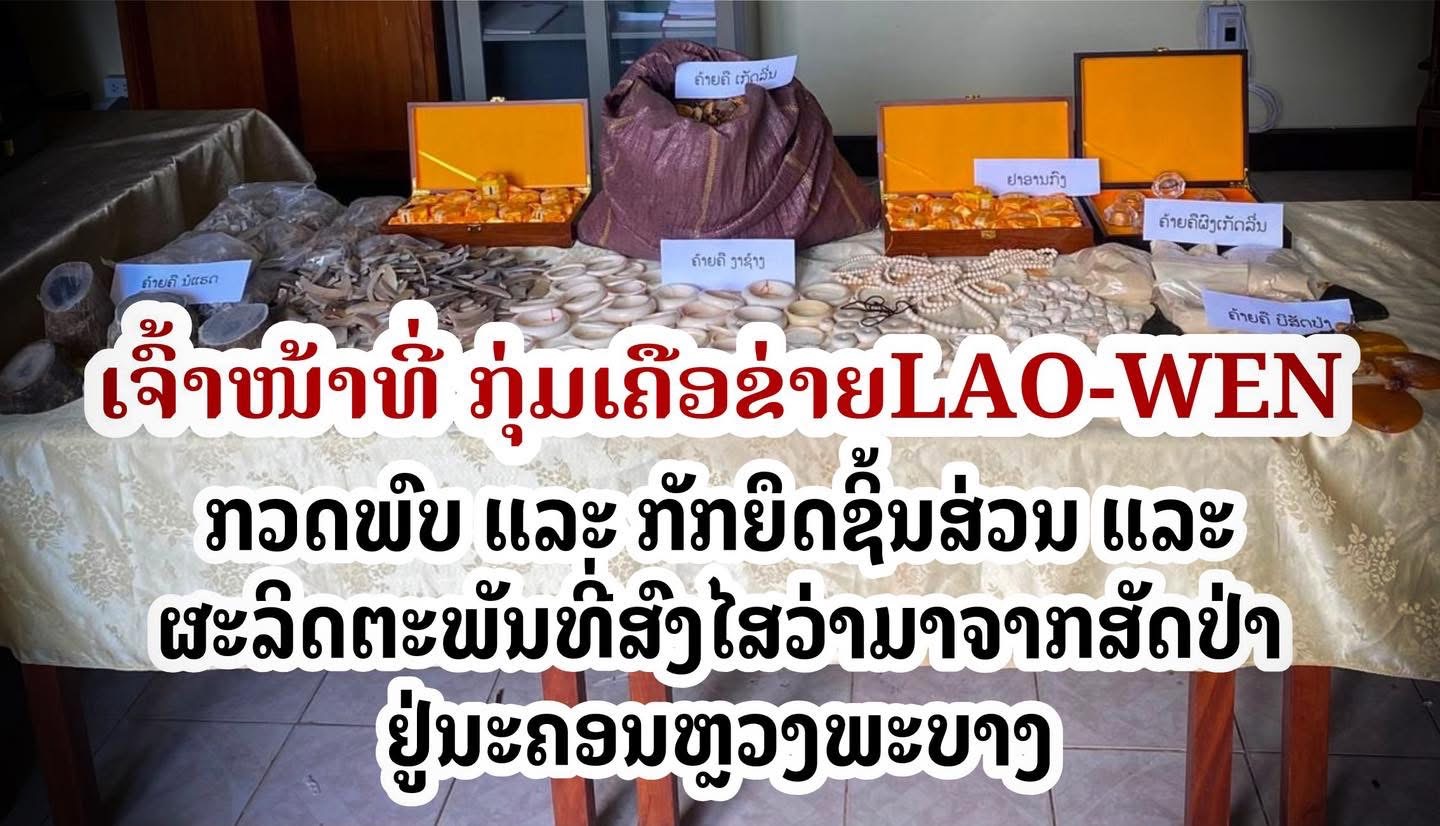
Inspections in several locations have identified suspected illegal sales of wildlife and products derived from protected species, including tigers, bears, elephants and rhinoceroses. Restaurants, markets, souvenir shops, entertainment venues and other tourism establishments may be misused as channels for selling or consuming such products.
The meeting emphasized that establishments found to have violated the law must be subject to appropriate action, including suspension or revocation of licences, administrative penalties, fines or criminal prosecution, depending on the nature and seriousness of the offence and in accordance with due process.
Participants agreed to strengthen cooperation between tourism and environmental authorities at the central and local levels through the following measures:
1. Strengthening legal awareness and enforcement: Tourism companies, tour guides, hotels, restaurants, souvenir shops and other operators must be clearly informed about prohibited activities and the legal consequences of illegal wildlife trade and consumption.
2. Establishing coordinated monitoring and inspection: The relevant authorities will strengthen information-sharing and conduct regular joint inspections of tourism establishments, souvenir shops, high-risk locations and border checkpoints.
3. Applying strict and proportionate legal measures: Any operator or tour guide involved in zero-dollar tour offences or illegal wildlife trade will be subject to administrative, civil or criminal measures, including possible suspension or revocation of relevant licences, in accordance with the law.
4. Promoting the national hotline: Members of the public may report suspected illegal hunting, possession, transportation, sale or consumption of wildlife through the national hotline 1528, which operates 24 hours a day.
The meeting marked an important step in strengthening cooperation between the tourism and agriculture-environment sectors to disrupt illegal wildlife-trade networks and prevent tourism businesses from being exploited for unlawful activities.
The initiative is also expected to reinforce the reputation of Lao PDR as a destination for high-quality, green and sustainable tourism—one that respects the law, protects the country’s natural wealth and preserves its wildlife and biodiversity for future generations.