Lao PDR Prepares Macaque Traceability System to Support CITES-Compliant Exports
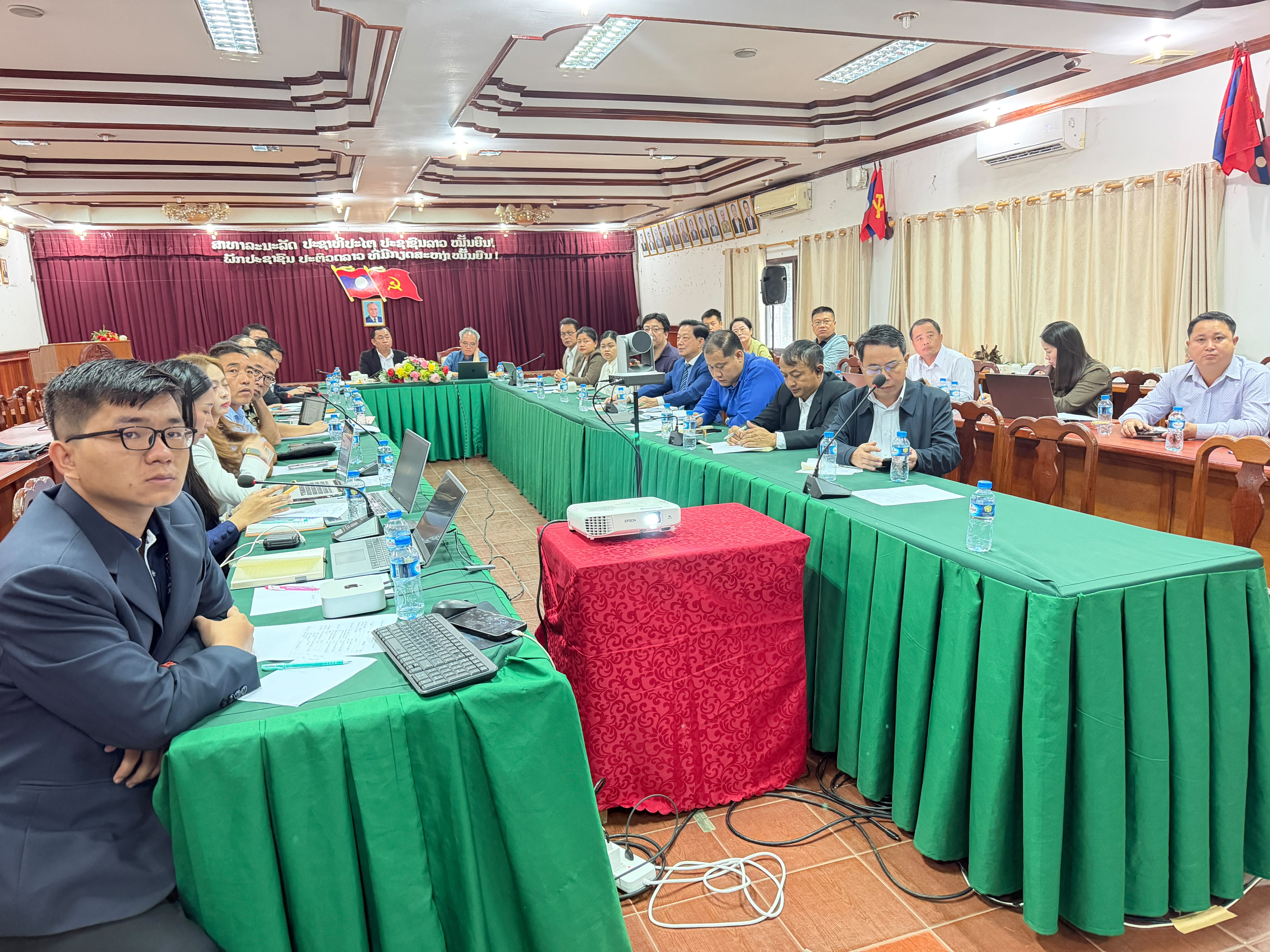
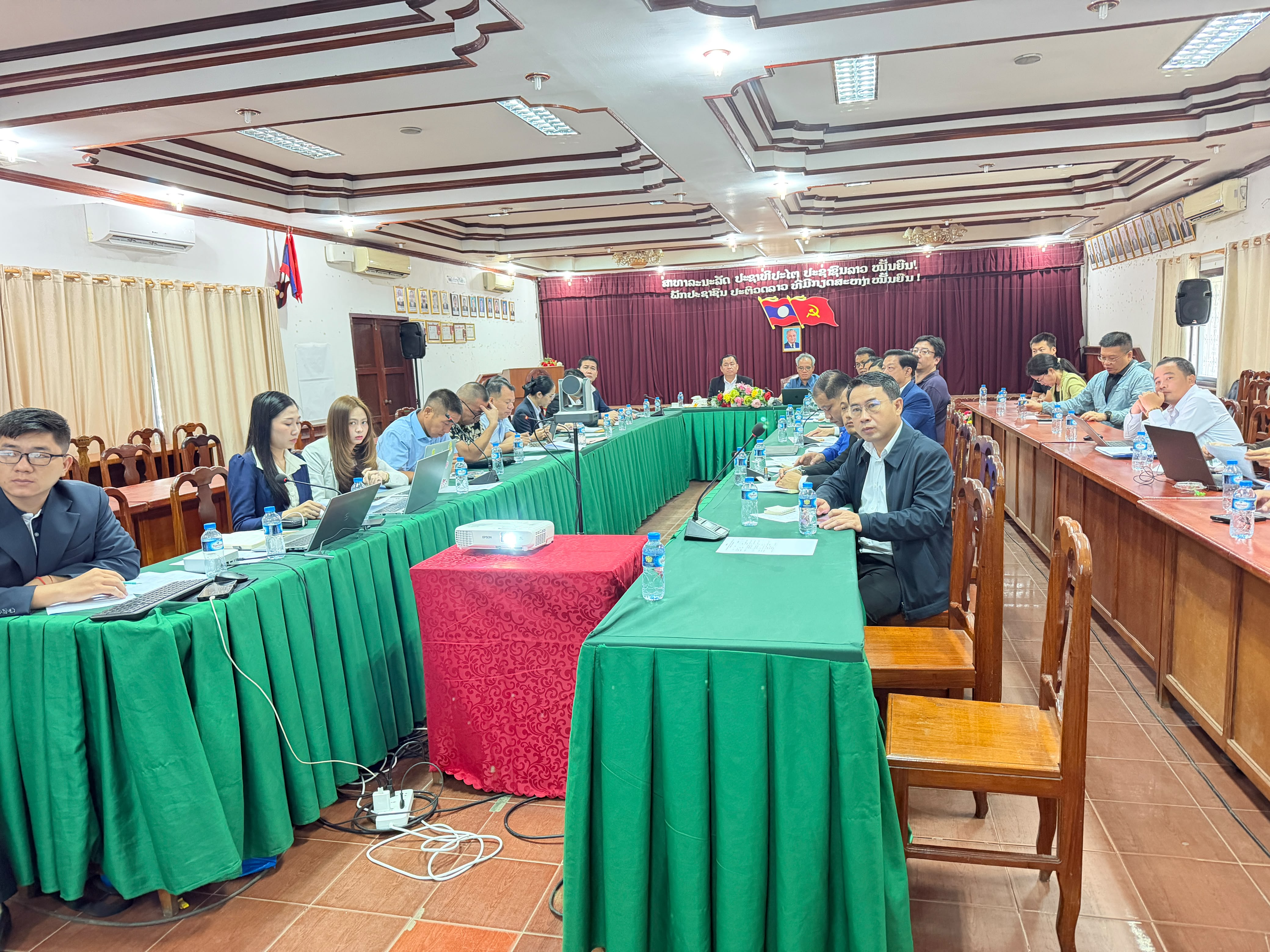
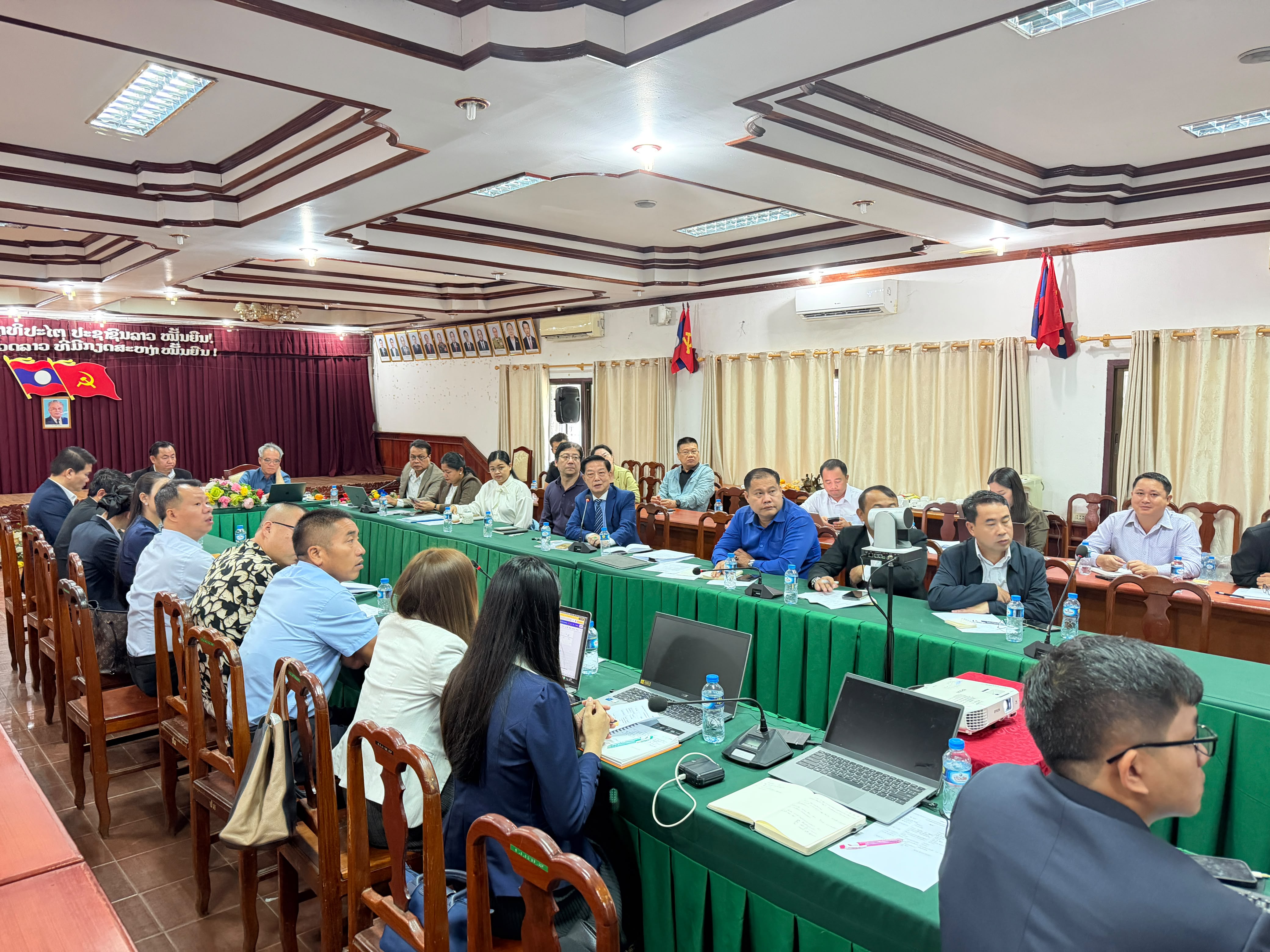
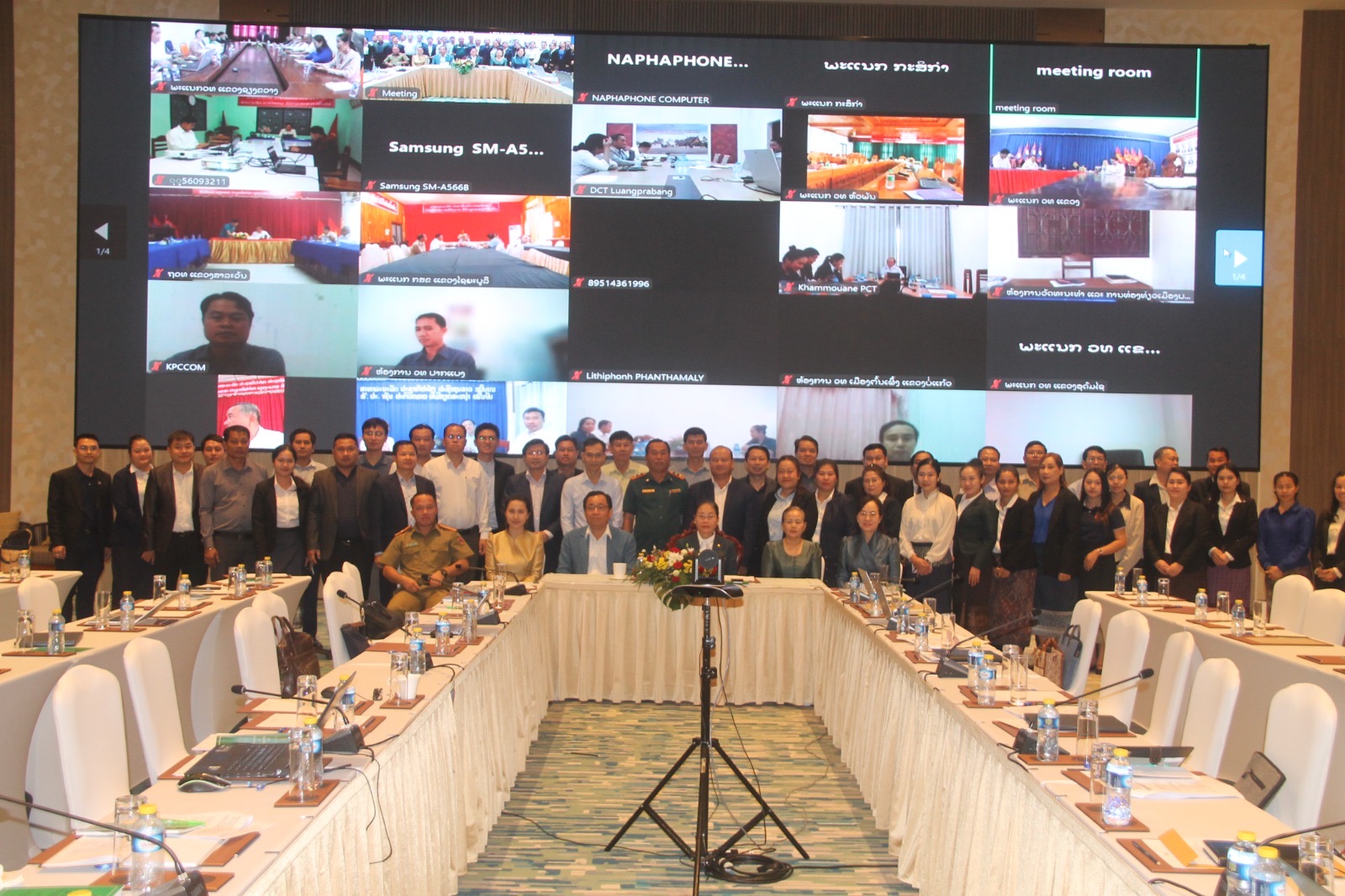
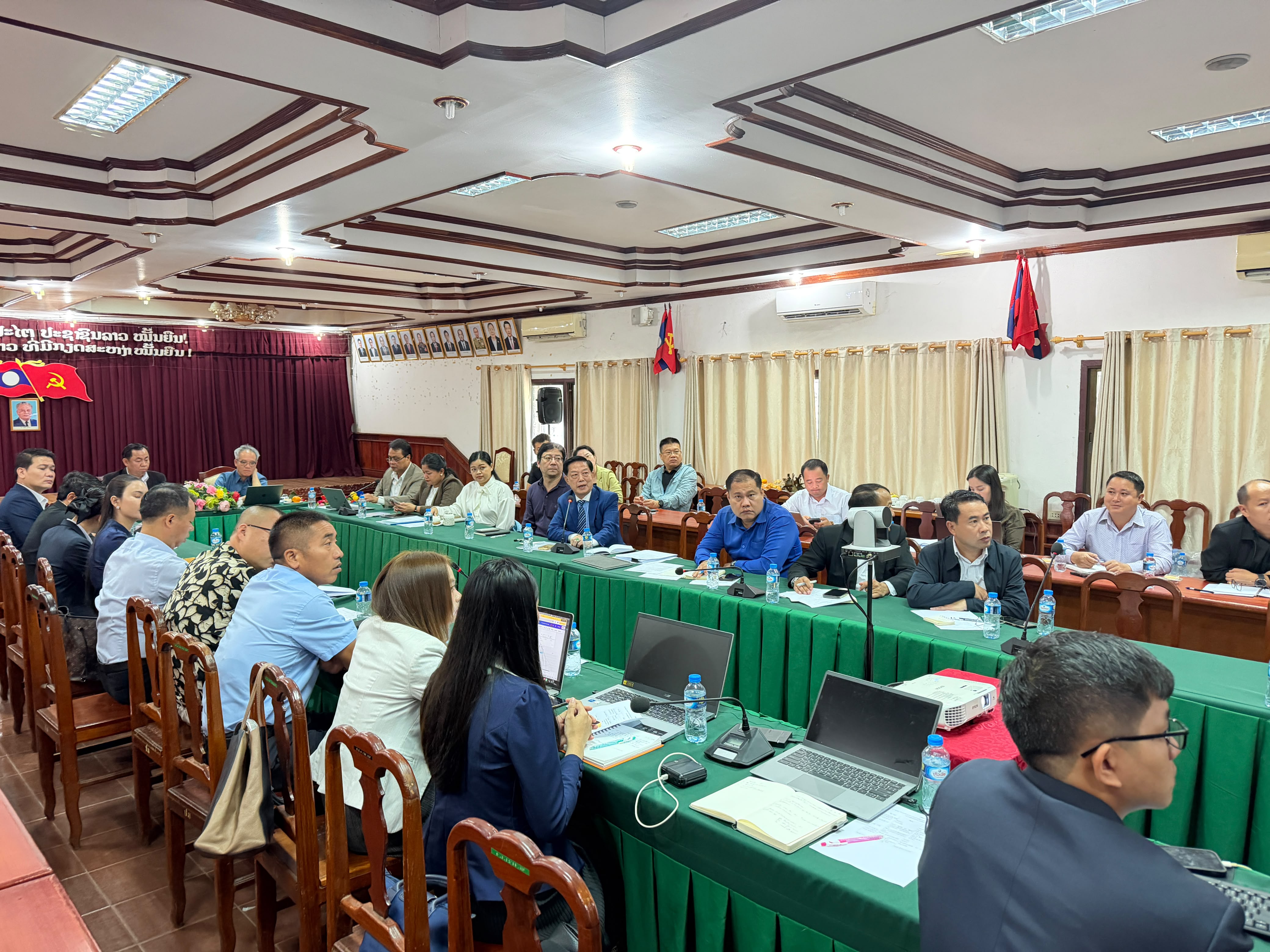
The Department of Forestry, Ministry of Agriculture and Environment, convened a consultation meeting on 13 November 2026 to strengthen the readiness of operators to implement a traceability system for macaque exports in accordance with recommendations from the Secretariat of the Convention on International Trade in Endangered Species of Wild Fauna and Flora (CITES). The initiative focuses on preparations for managing long-tailed and rhesus macaques, with discussions centred on export controls for long-tailed macaques (Macaca fascicularis).
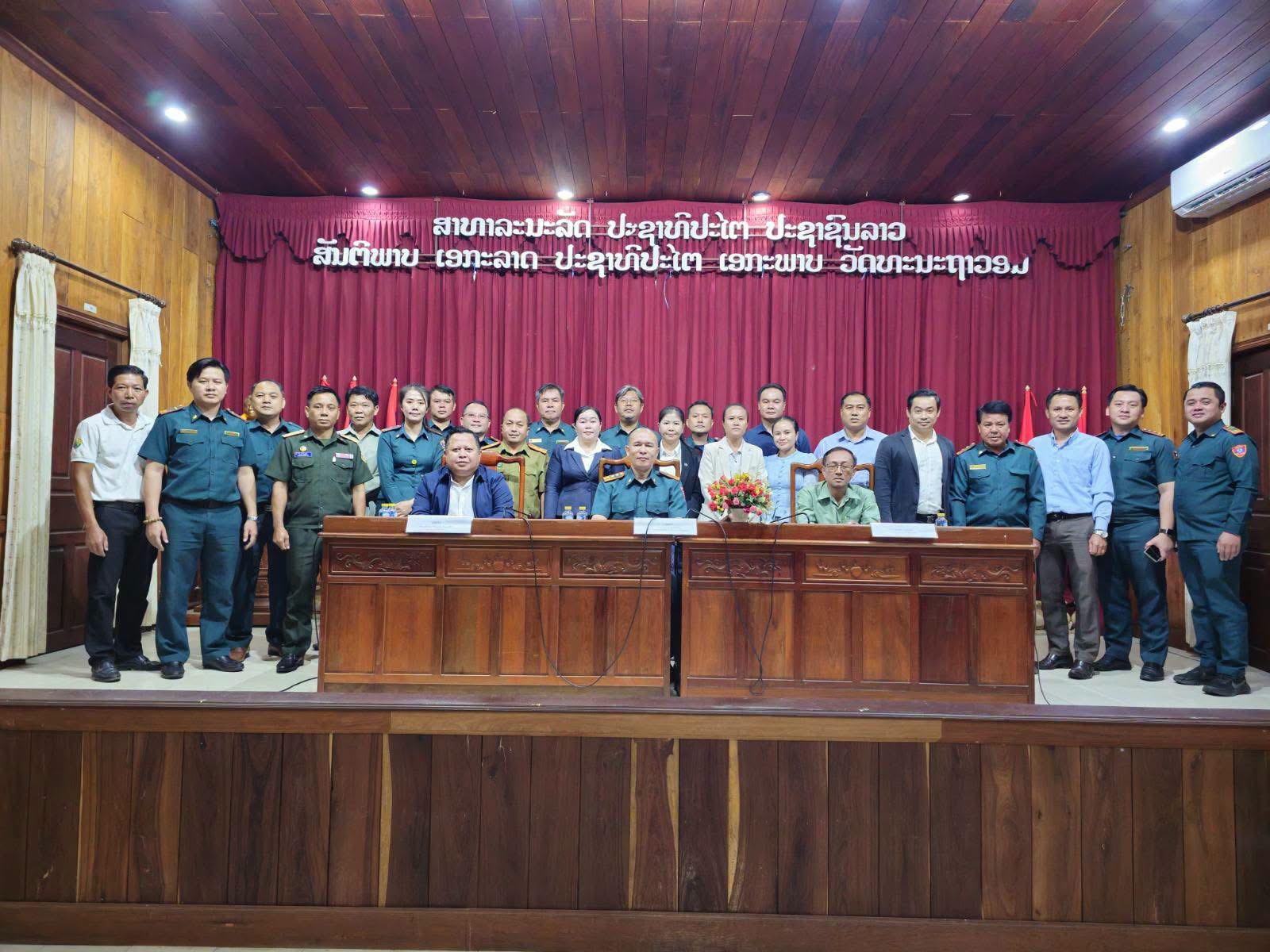
Held at the Department of Forestry in Vientiane Capital, the meeting was co-chaired by Associate Professor Dr. Somvang Phimmavong, Director General of the Department of Forestry, and Professor Dr. Sithong Thongmanivong, Head of the CITES Management Authority of Lao PDR.
Participants included representatives of the CITES Scientific Authority from the Faculty of Forest Sciences, National University of Laos; advisers to the Ministry of Agriculture and Environment; relevant divisions of the Department of Forestry; experts from China; LIT SOLUTION; and representatives of Vannaseng, Soukvannaseng and Laos Acer. The consultation brought together government authorities, scientific experts, system developers and breeding facility operators to establish a shared understanding of the requirements and identify practical steps for implementation.
The meeting pursued three principal objectives: strengthening understanding of the requirements governing long-tailed macaque exports; introducing a modern traceability mechanism that enables verification at every stage; and presenting a wildlife registration and database system to standardise recordkeeping across breeding facilities. Participants also reviewed the draft technical manual prepared by the Department of Forestry on macaque breeding facility management and compliance with CITES export requirements.
Technical presentations by facility representatives and LIT SOLUTION demonstrated the proposed wildlife registration and traceability system, including data entry using standardised forms. Discussions emphasised the need to link the unique identification number of each animal to verifiable records of origin, parentage, birth, health, movements, death and export documentation. These records must be reconciled with facility registers, physical animal inventories and government databases to support pre-export verification and traceability through to the destination.
These preparations follow the decision of the 81st meeting of the CITES Standing Committee (SC81) to withdraw the recommendation to suspend trade in CITES-listed animal species with Lao PDR. For macaque exports, the relevant safeguards must be fully operational before authorisation is granted. These include annual export quotas for the three registered breeding facilities, individual identification and traceability, stock reconciliation, pre-export inspections and compliance with applicable requirements for transporting live animals.
The meeting leadership emphasised the importance of ensuring lawful origin and protecting wild macaque populations. Under the management framework discussed, wild-caught macaques, confiscated animals and their offspring, and animals whose origin cannot be verified must be excluded from stocks eligible for commercial export. Export quotas must be based on verified data, while retaining sufficient breeding animals and replacement stock. Each proposed shipment must undergo a separate authorisation process, supported by appropriate animal health and welfare safeguards.
To advance implementation, the Wildlife Management and CITES Division was tasked with consolidating comments and recommendations from participants into an action plan specifying activities, responsibilities and deadlines. The plan will also provide for staff training and trial operation of the system.
The initiative aims to establish accurate, transparent and verifiable macaque management records, providing a sound basis for considering export applications in accordance with national legislation and the obligations of Lao PDR under CITES.